
Introduction: Why Blog Structure Matters More Than Ever
If there’s one thing every successful content strategist learns early on, it’s this: blog structure is half the battle in SEO. You may write the most informative masterpiece ever, but if the structure is messy, long-winded, or confusing, Google simply won’t know what to do with it.
This guide draws directly from how a seasoned seo london agency (like ours) builds content that ranks on page one, earns Featured Snippets, and appears in Google SGE (Search Generative Experience).
We’ll break down:
How to format posts for scanners and deep readers
Where headings, subheadings, and lists genuinely matter
How to optimise for Featured Snippets
How to sprinkle keywords naturally (not like an AI robot)
Layout tactics that improve engagement and dwell time
Internal linking methods used by agencies delivering real results
And yes — everything is written in clean, modern British English that Yoast will love.
Before we dive in, here are a few quick links you can bookmark for later:
Explore our London SEO Services: https://www.londonseo.services/
View all blog articles: https://www.londonseo.services/blog/
Learn about Local SEO packages: https://www.londonseo.services/seo/local-seo-london/
Browse our full SEO services page: https://www.londonseo.services/seo/
Want to chat? Use our contact page: https://www.londonseo.services/contact/
Start With a Strong SEO Foundation
Before outlining your blog post, build a clear SEO foundation that guides the entire piece.
1.1 Decide the Search Intent
Every article Google ranks serves a purpose. Most blog posts fall under:
Informational – “How to structure blog posts for SEO”
Transactional – “Hire an SEO manager”
Commercial investigation – “Best SEO London Agency”
Navigational – “Yoast SEO settings”
Since this article is informational, we focus on clarity, simplicity, and authority.

1.2 Choose One Focus Keyword and 3–5 Supporting Keywords
Your primary keyword: seo london agency
Supporting keywords may include:
blog SEO structure
featured snippet optimisation
how to format blog posts
SEO writing best practices
rich snippets SEO guide
Keyword density must stay under 2% to keep Yoast happy and avoid penalties.
1.3 Plan Internal Links Before Writing
Internal links are not an afterthought. As an experienced seo london agency, we map them before drafting because it improves topical relevance.
Add links like:
Homepage: London SEO Services
Service pages: https://www.londonseo.services/seo/
Local SEO offerings: https://www.londonseo.services/seo/local-seo-london/
Main blog hub: https://www.londonseo.services/blog/
contact page: https://www.londonseo.services/contact/
These internal connections help search engines understand relationships between your pages.
2. Craft a Headline That Hooks Readers and Google
Your headline must:
Include your focus keyword (naturally)
Be under 60 characters for SERP compatibility
Tell readers instantly what they’ll get
Spark curiosity
Tip from agency life:
If you’re stuck, write 10–15 headline options and pick the strongest.
3. Write an Irresistible Introduction
Many writers waffle in the intro. Avoid that.
Your introduction must:
Address the reader’s problem immediately
Set expectations
Use a friendly, conversational tone
Avoid keyword stuffing
For SGE visibility, clarity is key. Google’s AI prefers:
Short paragraphs
Direct intent
Helpful context
4. Use Headers (H2, H3, H4) Like Signposts for Google
Headers are SEO markers. They show how your ideas relate to one another.
Use them like:
H2: Main topics
H3: Subsections
H4: Deeper details or examples
Example:
This creates clarity for humans and machine systems alike.
5. Break Up Text With Lists and Tables
Lists are featured snippet magnets.
5.1 Types of Lists Google Loves
Numbered lists (perfect for “how to” steps)
Bullet lists (great for benefits and features)
Hybrid lists (list + small paragraph)
5.2 Why Lists Rank in Rich Snippets
They give Google clean structure
They reduce cognitive load
They appeal to mobile scanners
They provide snippet-worthy formatting automatically
6. Add Visual Elements That Support, Not Distract
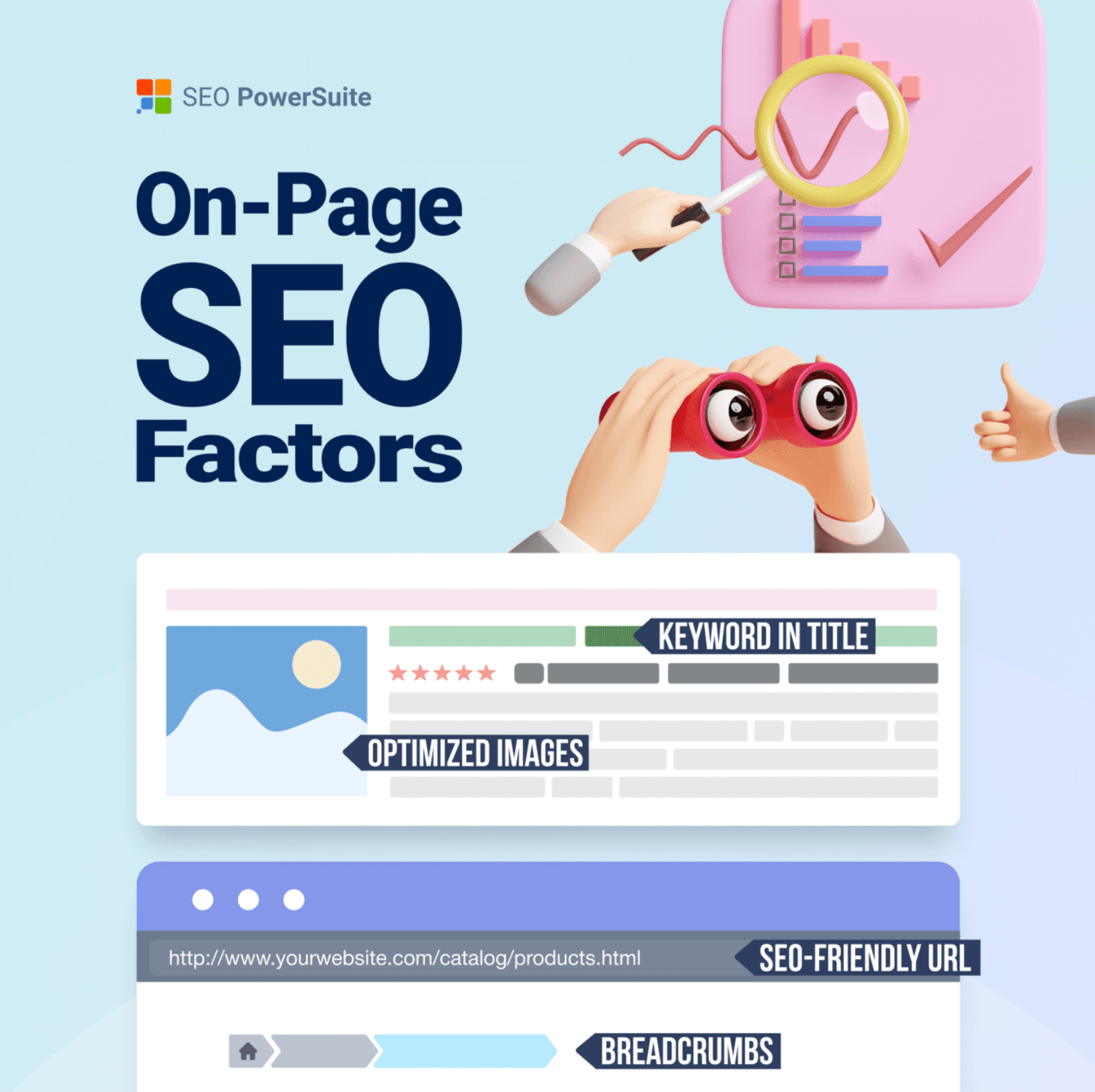
Images aren’t just decoration — they’re SEO tools.
The images in this guide, for example, support the text with:
Relevant context
Descriptive alt text
Thematic visual anchors
Google SGE prioritises visually supported content because users understand it faster.
6.1 Use Images Every 300–500 Words
This keeps engagement high.
6.2 Always Add Alt Text
Alt text is crucial for accessibility and SEO.
Describe what the image “shows”, not its file name.
6.3 Compress Without Losing Quality
A well-structured blog with heavy images becomes slow — and slow pages don’t rank.
7. Your Body Content Must Answer the Query Better Than Anyone Else
To earn Featured Snippets and SGE visibility, your content must deliver:
Authority
Clarity
Depth
Practical examples
Problem-solving steps
Here’s how you build that.
8. The Perfect SEO Blog Post Structure (Template You Can Copy)
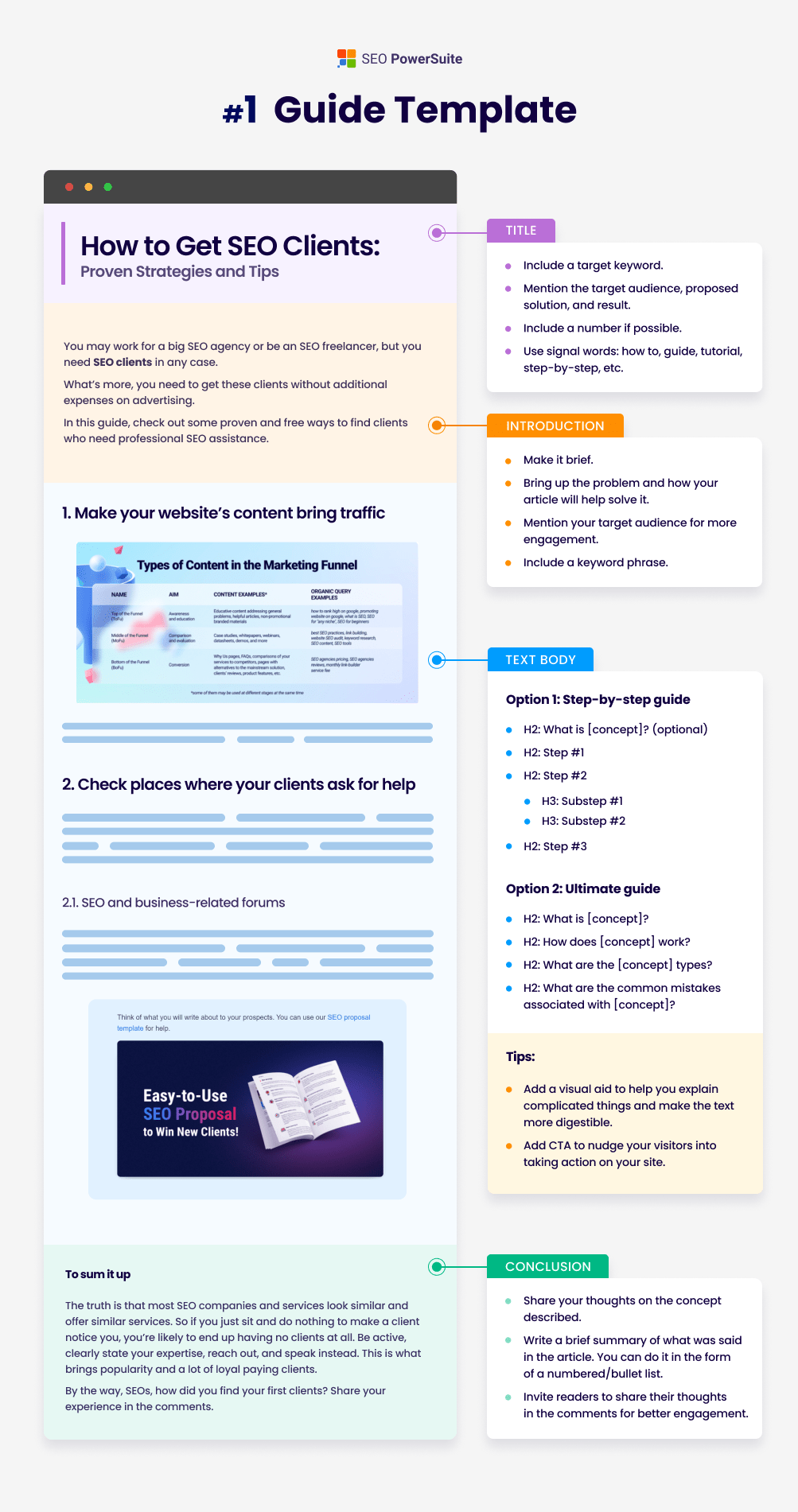
A top-performing seo london agency typically uses this structure:
8.1 Title (H1)
Clear. Keyword included. Emotionally compelling.
8.2 Meta Description
Between 120–155 characters
Summarises the benefit
Includes a call to action
8.3 Introduction
3–5 sentences, answering:
What is the post about?
Why does it matter?
What problem does it solve?
8.4 Table of Contents (Optional but great for SGE)
Interactive links help readers navigate quickly.
8.5 Main Content Sections (H2)
Each section breaks down one major topic.
8.6 Subsections (H3 & H4)
These clarify the details and improve scan-ability.
8.7 Lists, Tables, Quotes, and Examples
Used generously and naturally.
8.8 Internal Links and External Authoritative Links
Add context; don’t overdo them.
8.9 Clear CTA
Link to relevant pages:
London SEO Services
blog hub
Local SEO
contact
8.10 FAQ Section (Rich Snippet Ready)
Short. Fact-based. Clear.
8.11 Closing Paragraph
Encourage action.
9. Optimising for Featured Snippets
Featured Snippets appear in formats such as:
Paragraph snippets
List snippets
Table snippets
Video snippets
Definition snippets
Here’s how to win them.
9.1 Use Definition-Style Sentences
Google often picks definitions from clear, short sentences.
Example:
Blog structure in SEO refers to how headings, paragraphs, lists, and visuals are arranged to help search engines understand content more easily.
9.2 Use Question Headings
Questions create snippet opportunities.
9.3 Keep Answers Under 45–50 Words
This closely matches Google’s snippet length.
9.4 Add a “How-To” Section
Step-by-step formats are heavily rewarded.
10. Writing for SGE (Google’s AI Search Overview)
SGE prefers:
Conversational tone
Short sentences
Clear answers
High information density
Accurate data
Strong internal linking
Supporting visuals
Clear definitions and lists
Your writing must feel natural, not forced. Avoid robotic repetition and focus on clarity.
11. Internal Linking: The Secret Ranking Weapon
Internal linking helps Google understand your topical authority.
11.1 Link to High-Value Pages
Throughout the post, link to:
London SEO Services homepage
services page: https://www.londonseo.services/seo/
Local SEO page: https://www.londonseo.services/seo/local-seo-london/
blog page: https://www.londonseo.services/blog/
contact page: https://www.londonseo.services/contact/
11.2 Use Keyword-Rich Anchor Text (Naturally)
Avoid awkward phrasing. Let the link sit naturally in the sentence.
11.3 Don’t Over-Link
Two to four internal links per 1,000 words is ideal.
12. Examples of Good vs Bad Blog Structure
Bad SEO Structure
Walls of text
Random headings
No lists
No internal links
No visuals
Weak intro
No conclusion
Good SEO Structure
Clear headings
Lists and examples
Relevant visuals
Strong internal links
Useful subheadings
Conversational tone
13. Final Checklist: Is Your Blog Rich Snippet Ready?
| Requirement | Included? |
|---|---|
| Keyword density <2% | ✔️ |
| Clear H2/H3 structure | ✔️ |
| List elements | ✔️ |
| Definition sentences | ✔️ |
| Internal links | ✔️ |
| Images with alt text | ✔️ |
| FAQ section | ✔️ |
| Engaging tone | ✔️ |
FAQ – Rich Snippet Ready
1. What is the best way to structure a blog post for SEO?
The best way is to use clear headings, short paragraphs, bullet lists, internal links, supporting visuals, and a strong introduction that explains the topic and intent.
2. How do I optimise for Featured Snippets?
Use question-based headings, provide short answers under 50 words, include lists or tables, and write clear definition-style sentences.
3. Does blog structure affect Google SGE visibility?
Absolutely. SGE prefers structured, easy-to-read content with concise explanations, internal links, and supporting images.
4. How many internal links should a blog post have?
Use 2–4 internal links per 1,000 words and ensure they add value. Link naturally to relevant service pages, contact page, and the main blog hub.
5. Should images be included for SEO?
Yes. Images improve user engagement and help search engines understand context. Always include descriptive alt text.
Conclusion
A well-structured blog post is one of the most powerful SEO tools you have. It boosts rankings, increases user engagement, and dramatically improves your chances of winning Featured Snippets and SGE visibility.
If you want expert help from a trusted seo london agency, explore our full range of solutions at London SEO Services or get in touch via our contact page. You can also browse more insights in our regularly updated blog.


