

Zero-Click Searches: Should You Still Invest in SEO?
If you’ve been watching your Search Console impressions climb while clicks stubbornly refuse to follow, you’re not imagining things. Zero-Click Searches are no longer an edge case — they are a defining feature of modern search.
With Google rolling out AI Overviews, richer SERP features, and ever more aggressive on-page answers, many London business owners are asking a fair question in 2026:
If users don’t click anymore, is SEO still worth the investment?
Short answer: yes — but not in the old way.
Long answer? That’s what this guide is for.
This article is written from the perspective of hands-on SEO work across London and Greater London businesses — from local services and e-commerce to professional firms competing in saturated SERPs. No theory. No hype. Just how search actually behaves now, and how to adapt your SEO strategy so it still delivers commercial value.
What Are Zero-Click Searches? (A Clear Definition)
A zero-click search happens when a user gets the answer they need directly on the search results page — without clicking through to any website.
Common examples include:
Featured snippets answering a question
“People Also Ask” expanding answers
AI Overviews summarising multiple sources
Local packs showing contact details instantly
Knowledge panels for brands and entities
Calculators, definitions, and conversions
In these cases, the search intent is satisfied on the SERP itself.
Why zero-click searches are rising fast
This shift isn’t accidental. It’s driven by:
AI-generated summaries
Mobile-first behaviour
Voice search
Google’s focus on speed and convenience
Informational intent being answered instantly
From a user perspective, this is efficient.
From a business perspective, it feels threatening — until you understand how visibility now works.
The Data Reality: Zero-Click ≠ Zero Value
Here’s the mistake many businesses make:
“If users don’t click, SEO doesn’t work anymore.”
That assumption ignores how brand exposure, trust, and assisted conversions actually happen in 2026.
When your content appears in:
AI Overviews
Featured snippets
PAA answers
Local packs
…you are still winning attention, even without the click.
In London-based competitive markets, visibility often precedes conversion by days or weeks. Users research, compare, return, and convert later via branded searches or direct visits.
SEO has shifted from traffic acquisition to search presence dominance.
Which Search Types Are Most Affected by Zero-Click Behaviour?
Not all queries behave the same way. Understanding intent is crucial.
High zero-click intent queries
These typically include:
Definitions (“What is…?”)
Quick facts
Simple how-to steps
Weather, times, conversions
Broad informational queries
Lower zero-click (still click-driven)
These still generate strong traffic:
Commercial comparisons
Service-based searches
Local intent (“near me”, borough-specific)
Pricing, reviews, case studies
Complex decision-making searches
For London businesses, local and commercial intent remains highly clickable — if optimised correctly.
AI Overviews: The New Zero-Click Multiplier
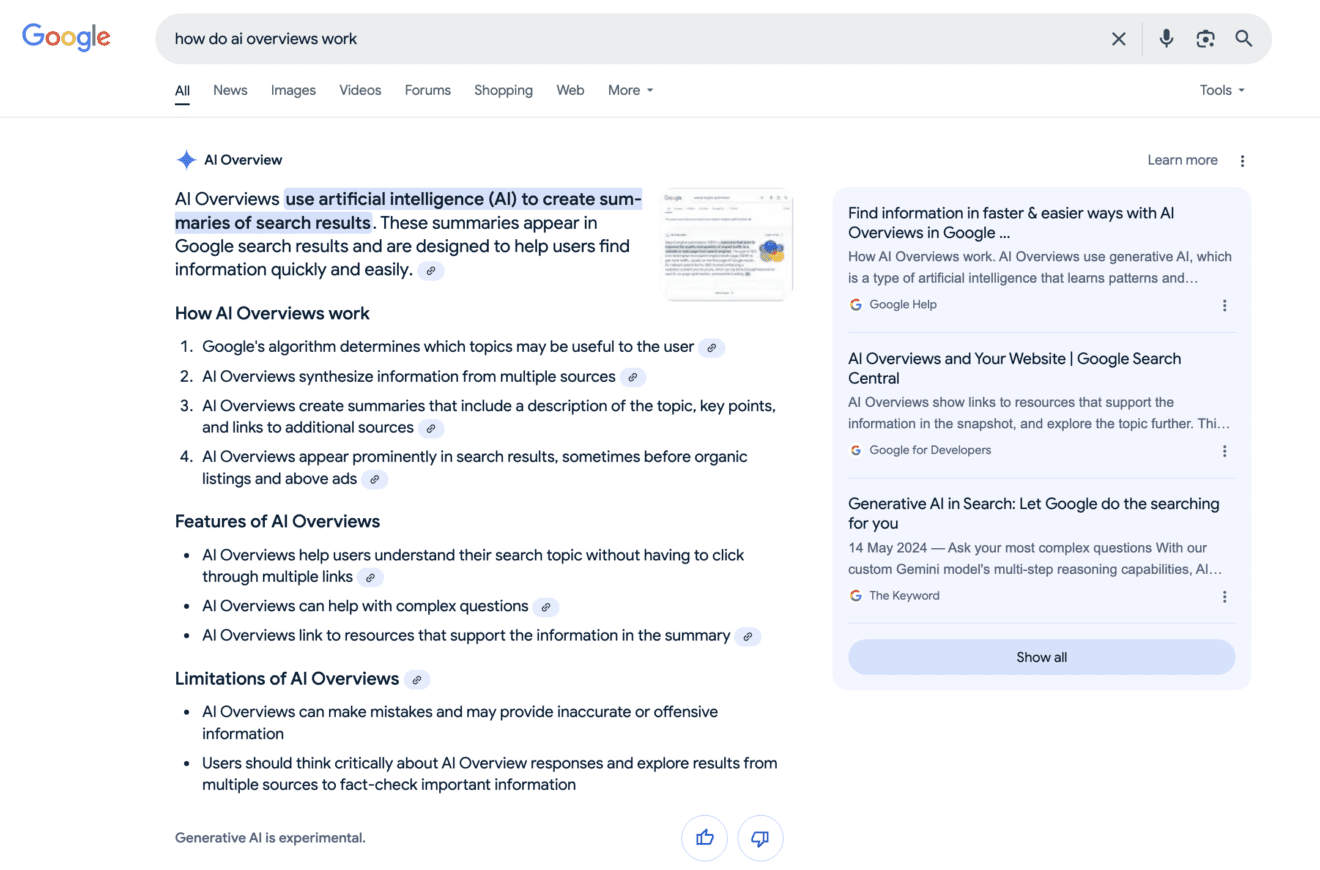


AI Overviews have accelerated zero-click behaviour, but they’ve also introduced a new form of visibility.
If your content is:
Well-structured
Authoritative
Locally relevant
Clearly written
…it can be cited or summarised by AI, even if users don’t click immediately.
From real-world SEO campaigns, we’re seeing:
Increased branded searches after AI exposure
Higher trust signals for businesses repeatedly referenced
Better conversion rates when users do land later
SEO is now feeding AI systems as much as human readers.
Should London Businesses Still Invest in SEO?
Yes — but the KPI mindset must change.
SEO in 2026 is no longer just about:
Ranking position
Raw traffic volume
Blue links only
SEO is about:
SERP real estate
Entity authority
Topical depth
Local relevance
Brand recall
AI citation eligibility
For London SMEs competing across boroughs like Westminster, Camden, Kensington, Hackney, Croydon, or Canary Wharf, SEO remains one of the highest-ROI digital channels — when done strategically.
If you’re offering London SEO Services, ignoring zero-click optimisation is far riskier than embracing it.
How SEO Strategy Must Evolve for Zero-Click Search
1. Optimise for answers, not just pages
Structure content to:
Answer questions clearly in 40–60 words
Use lists and steps
Place definitions near the top
Use natural language
This increases chances of:
Featured snippets
AI summaries
Voice search results
2. Build topical authority, not isolated posts
One blog post won’t win anymore.
Instead:
Cover a topic from multiple angles
Interlink related content logically
Create content clusters
Your blog should feel like a knowledge hub, not a collection of random articles.
3. Strengthen local SEO signals
Local context cuts through zero-click behaviour.
Use:
Borough-level references
Local case insights
Location-specific FAQs
Consistent NAP signals
This is where Local SEO still drives clicks, calls, and enquiries.
4. Measure success beyond clicks
Track:
Impressions growth
Branded search volume
Assisted conversions
Engagement metrics
Local pack visibility
Clicks are no longer the only success signal.
When SEO Becomes Even More Valuable (Despite Zero-Click)
Ironically, zero-click search often increases the value of good SEO.
Why?
Poor content disappears entirely
Only trusted, authoritative sources are surfaced
AI reduces noise, not expertise
Brand visibility compounds over time
Businesses that invest properly now will dominate later — especially in crowded London SERPs.
Practical Example: Local SEO Still Wins
A London service business ranking in:
Local pack
AI Overview summary
Featured snippet
…may receive fewer clicks per impression, but:
Higher intent traffic
Better conversion quality
Stronger brand recall
That’s commercially healthier SEO.
Should You Reduce SEO Spend Because of Zero-Click?
In most cases: no.
What should change is:
Strategy focus
Content format
Measurement approach
Cutting SEO now is like leaving the high street because window shoppers increased. Visibility still drives sales — just differently.
If anything, businesses should reinvest SEO budgets more intelligently into:
Content depth
Local authority
Technical excellence
Entity-based optimisation
Your services page should reflect this evolved approach, not outdated ranking promises.
Actionable SEO Checklist for Zero-Click Search (2026)
Write concise answer blocks
Optimise for PAA questions
Add FAQ sections to key pages
Strengthen internal linking
Improve local relevance
Track impressions, not just clicks
Build brand search demand
Optimise for AI readability
Frequently Asked Questions (FAQ)
What are zero-click searches?
Zero-click searches occur when users get their answer directly on Google’s results page without clicking any website.
Are zero-click searches bad for SEO?
No. They change how SEO works, but visibility, brand trust, and assisted conversions still deliver value.
Does SEO still generate leads in 2026?
Yes — especially for local and commercial intent searches when SEO is aligned with user needs.
How do I optimise for AI Overviews?
Use clear structure, concise answers, authoritative content, and strong internal linking.
Is Local SEO affected by zero-click searches?
Less than national informational queries. Local packs and service searches still drive strong engagement.
Should small London businesses still invest in SEO?
Absolutely. SEO remains one of the most cost-effective long-term marketing channels when done properly.
What metrics matter more than clicks now?
Impressions, branded searches, local visibility, engagement, and assisted conversions.
Final Thoughts: SEO Isn’t Dying — It’s Growing Up
Zero-click searches don’t mean fewer opportunities. They mean higher standards.
SEO in 2026 rewards:
Clarity over cleverness
Authority over volume
Helpfulness over hacks
Businesses that adapt will win more than traffic — they’ll win trust, visibility, and long-term growth.
If you’re reviewing your strategy or need clarity on how zero-click search impacts your business, start with a proper audit or contact a specialist who understands modern search behaviour.
And if you want to explore more insights like this, browse our blog for in-depth, London-focused SEO guidance.


